
Why Tanzania for the Big Five?
Tanzania is home to some of the largest and most protected wildlife populations in Africa. The country's northern safari circuit — spanning the Serengeti, Ngorongoro Crater, Tarangire, and Lake Manyara — offers an almost guaranteed Big Five experience when you know where to look. Unlike some destinations where certain species are extremely rare, Tanzania provides realistic opportunities to see all five animals in a single safari of just four to six days.
Lion: King of the Serengeti
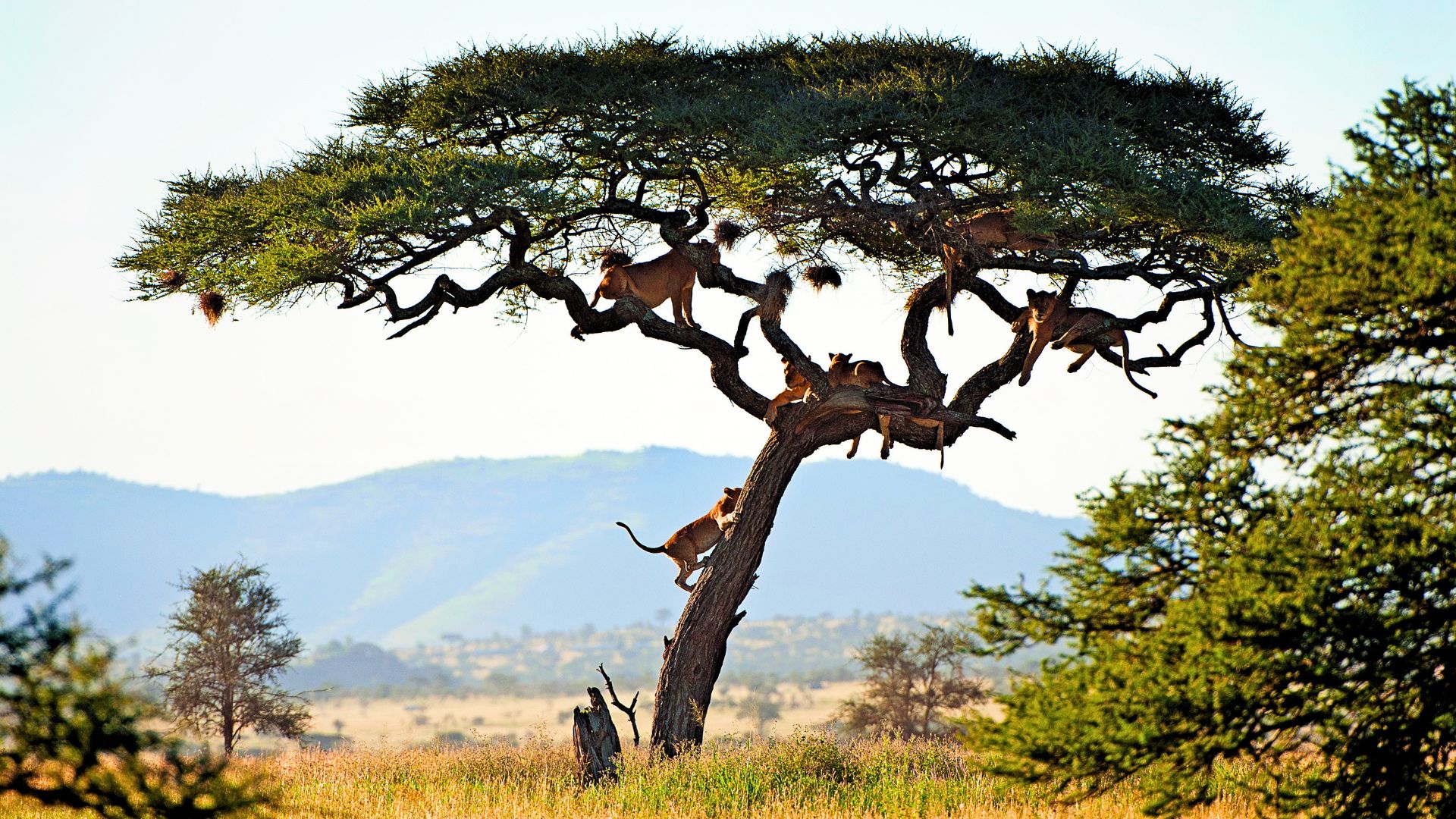
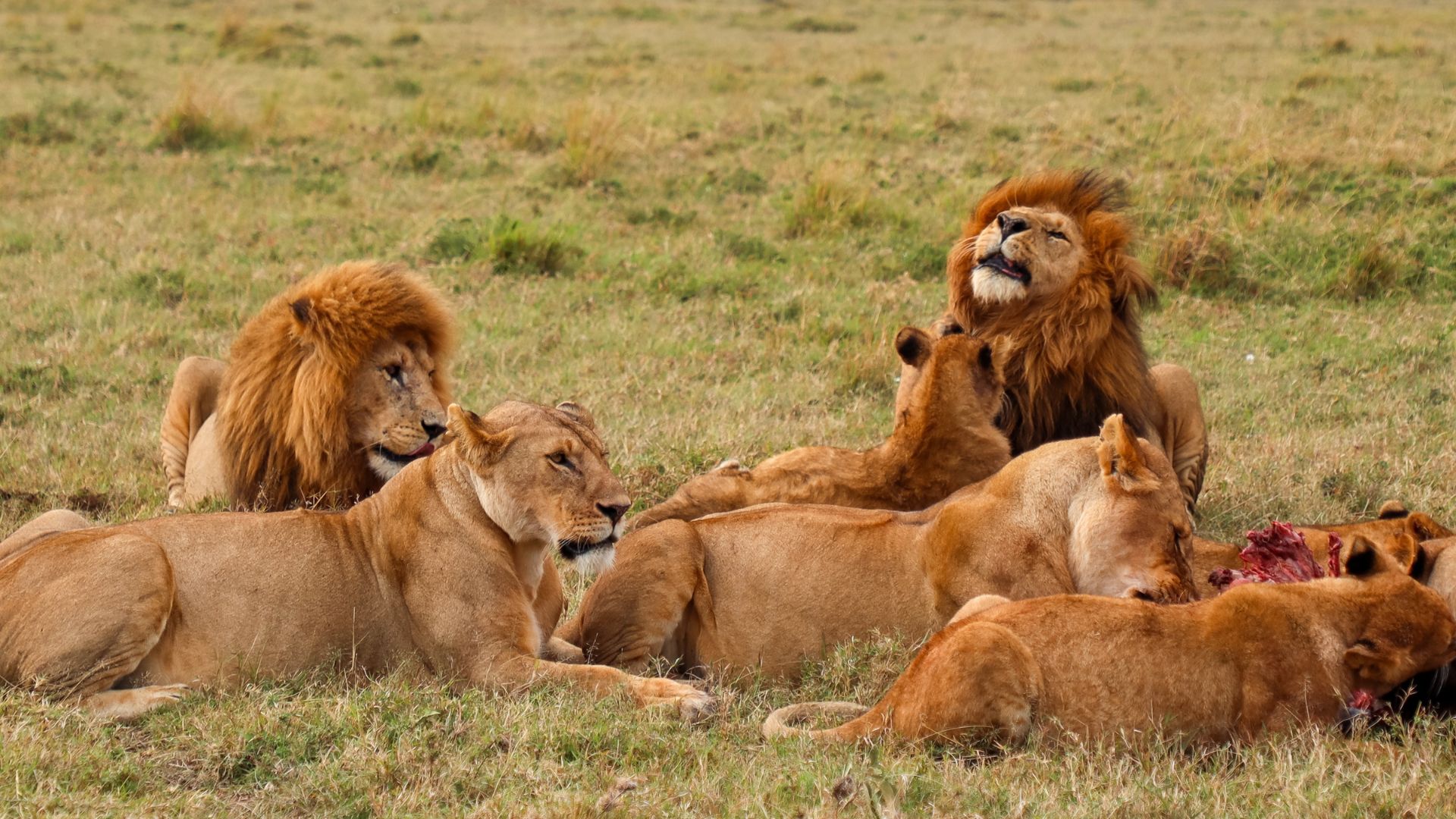
Tanzania has one of the largest lion populations in Africa, estimated at over 15,000 individuals. The Serengeti is the premier location, home to famous prides that have been studied for decades. The Seronera area in the central Serengeti offers some of the most reliable lion sightings in Africa, with prides regularly seen lounging on kopjes — the rocky granite outcrops dotting the plains. The Ngorongoro Crater's confined space means its resident pride of around 60 lions are almost always visible. For something truly special, the tree-climbing lions of Lake Manyara, though less predictable, are a unique Tanzanian phenomenon.
African Elephant: Giants of Tarangire
While elephants roam throughout Tanzania's parks, Tarangire National Park is where they gather in truly staggering numbers. During the dry season (July to October), an estimated 3,000 elephants congregate along the Tarangire River, creating some of the largest elephant gatherings visible anywhere in East Africa. Watching a herd of 50 or more elephants crossing the river at sunset, with baobab trees silhouetted against the sky, is a quintessential Tanzania moment. Elephants are also commonly seen in the Serengeti, Ngorongoro, and the lesser-visited Ruaha National Park, which holds Tanzania's largest elephant population.
Cape Buffalo: The Unpredictable Giant
Often underestimated, the Cape buffalo is considered by many guides to be the most dangerous of the Big Five. Tanzania's parks support vast herds — the Ngorongoro Crater alone has herds exceeding 500 individuals. In the Serengeti, buffalo are most commonly seen in the woodland areas around Seronera and the Western Corridor. Watching a large herd cross an open plain, kicking up dust while oxpeckers perch on their backs, is a powerful sight. Buffalo also provide dramatic predator-prey encounters — lions must work as a team to bring down a single adult buffalo, and the battle can last hours.
Leopard: The Elusive Shadow
The leopard is the most difficult of the Big Five to spot, but Tanzania offers some of the best leopard viewing in all of Africa. The Seronera Valley in the central Serengeti is renowned as one of the most reliable places in the world to see leopards. Sausage trees and tall acacias along the Seronera River provide perfect resting spots, and experienced guides know exactly which trees to check. Lake Manyara and the Ngorongoro Crater also produce regular leopard sightings. Expert guides dramatically increase your chances — their knowledge of individual leopards' territories and habits is invaluable.
Black Rhino: Tanzania's Rarest Treasure
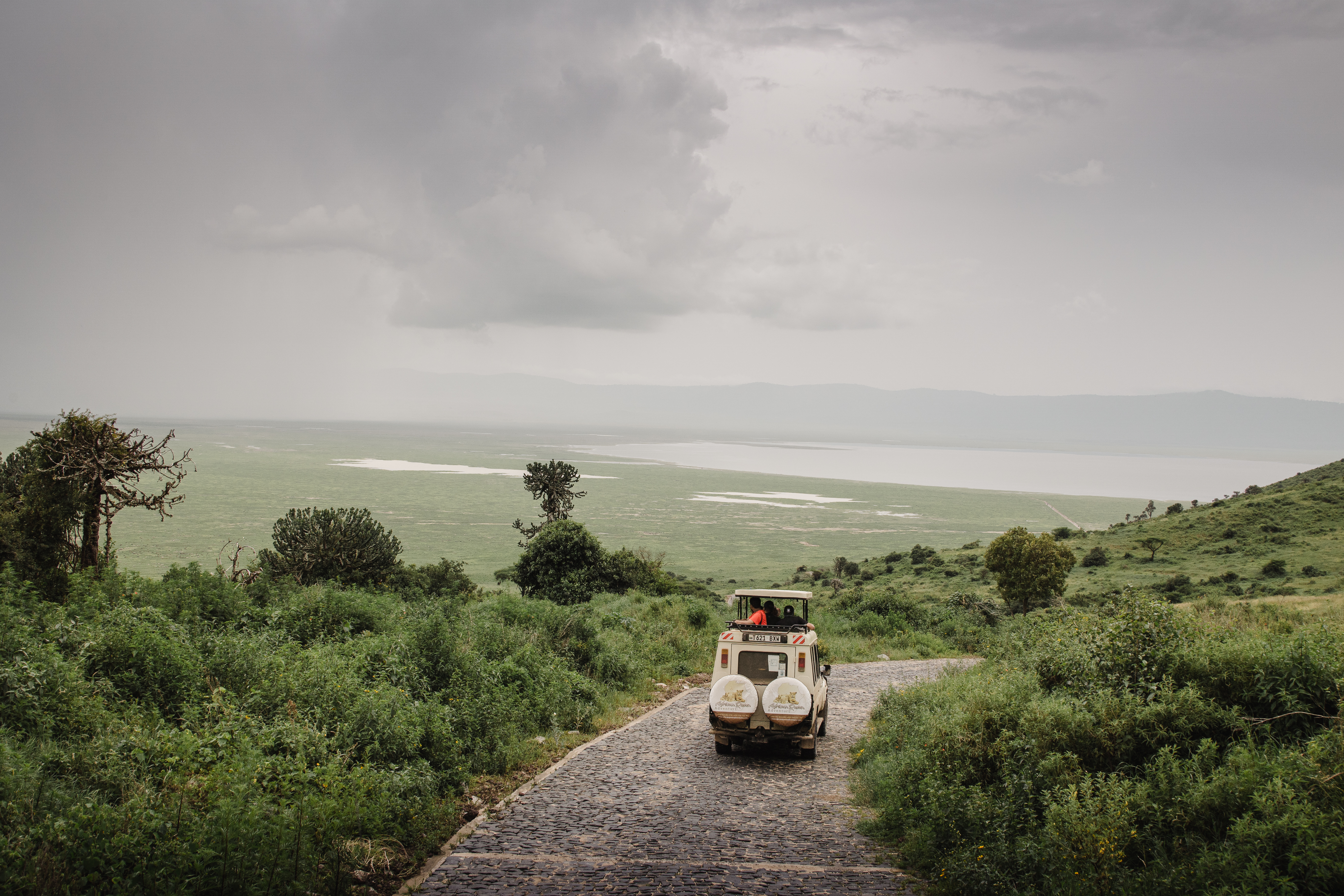
With fewer than 5,500 black rhinos surviving in the wild across all of Africa, seeing one is a genuine privilege. The Ngorongoro Crater is by far the best place in Tanzania — and arguably all of East Africa — to spot black rhino. The crater's enclosed geography means the small population of approximately 30 rhinos has a limited range, and sightings, while not guaranteed, are regular. Binoculars are essential as rhinos often browse at a distance on the crater floor. The Serengeti's Moru Kopjes area in the south-central region also has a small rhino population protected by dedicated rangers.
The Best Big Five Itinerary
For the best chance of seeing all Big Five in a single trip, we recommend a six-day itinerary: two nights in the Serengeti (lion, leopard, elephant, buffalo), one night at Lake Manyara or Tarangire (elephant herds, tree-climbing lions), and two nights at the Ngorongoro Crater (rhino, plus all others). This routing covers different ecosystems and maximises species diversity. A skilled guide who knows the parks intimately can make the difference between a good safari and an extraordinary one.