

Explore Destination
Gombe National Park
Tanzania
About This Destination
Gombe National Park: why this destination matters
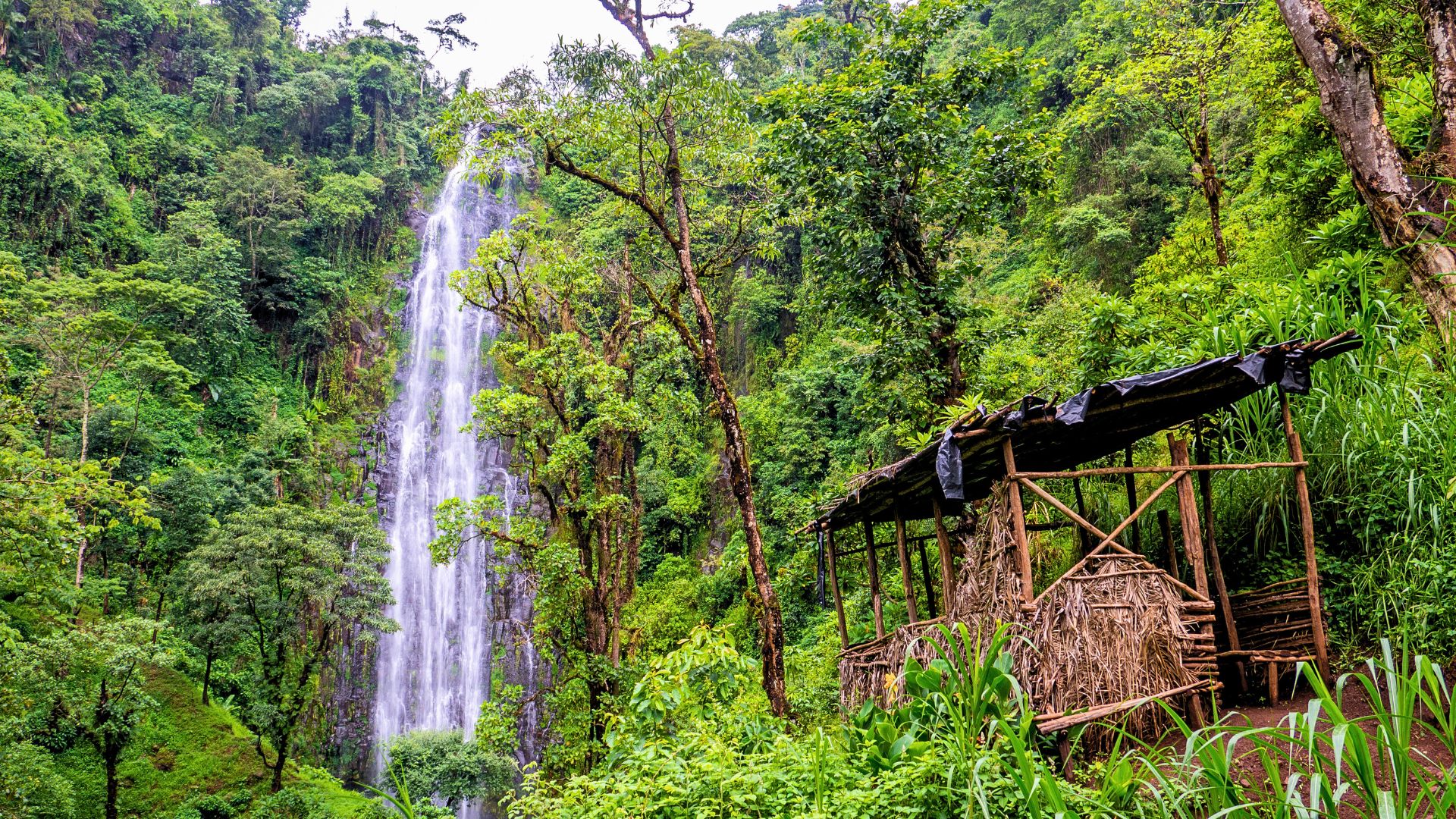
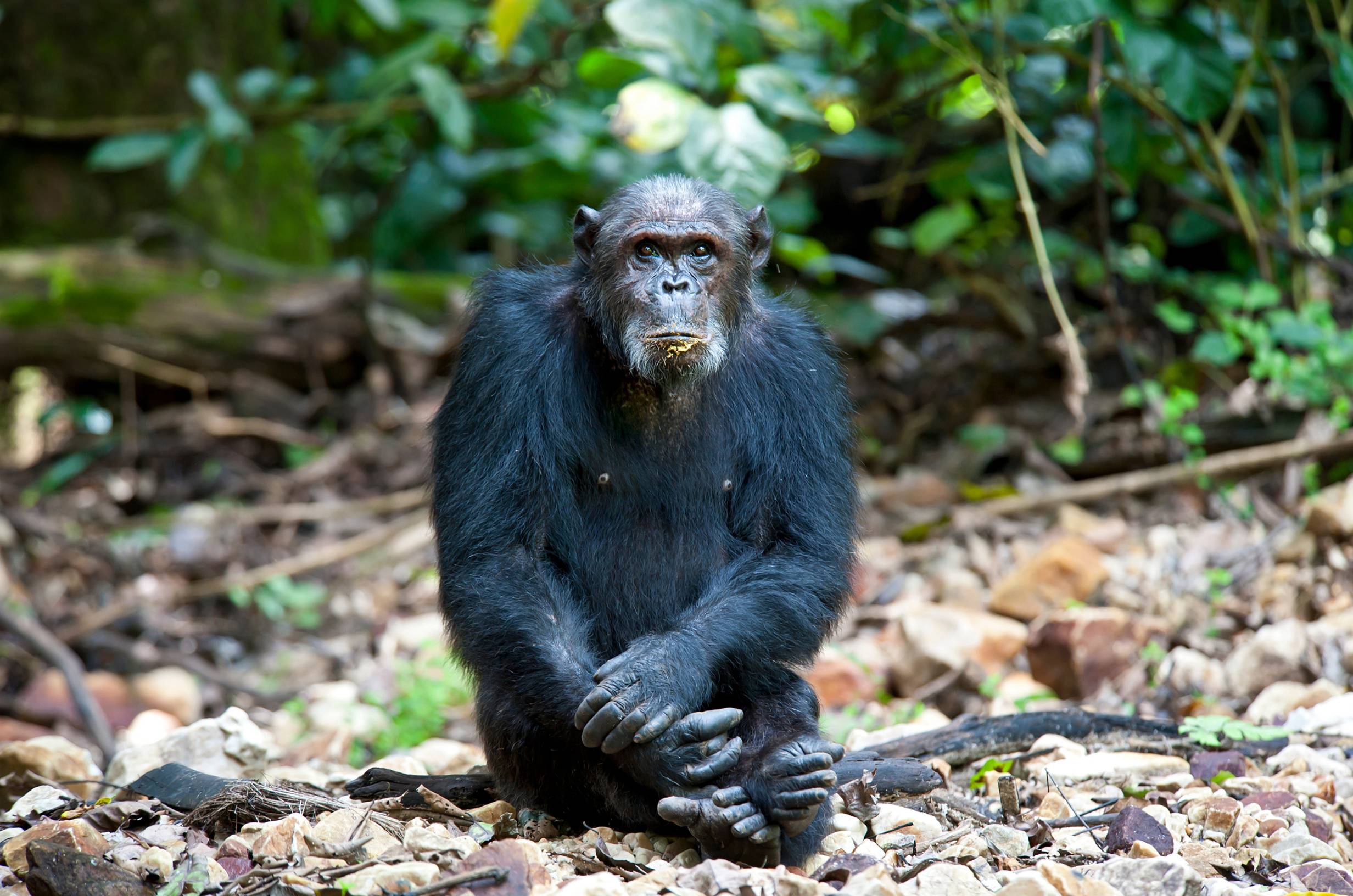
Gombe National Park is one of Tanzania's most historically important conservation areas, known worldwide for chimpanzee research and for the steep forested slopes that drop into Lake Tanganyika. It is small in size, but its scientific legacy and emotional power make it a major destination for travellers interested in primates and behavioural ecology. The park feels intimate and vertical rather than expansive. Trails move through forested valleys, ridges, and lake-edge zones, and access by boat reinforces the sense that you are arriving at a specialised field site rather than a conventional safari park.
Chimpanzees are the core attraction, yet the value of Gombe National Park goes beyond a simple sighting. The destination is about understanding habituation, long-term research, troop dynamics, and the work pioneered here through Jane Goodall's presence and observation. Trekking can be physically demanding because of the terrain, but that effort is part of what makes encounters meaningful. Time on the lake, simple shoreline downtime, and conversations with guides about chimp ecology often deepen the visit significantly.
Planning time in Gombe National Park
Gombe National Park affects trail conditions and sighting comfort, so it is worth discussing expectations clearly before planning. Guests who treat the park as a primate-focused expedition generally value it far more than those expecting a relaxed vehicle safari. Because access involves flights to Kigoma and onward boat movement, Gombe works best for travellers willing to devote time and budget to western Tanzania rather than squeezing it into a short general itinerary. It can be combined with cultural and lakeside experiences around Kigoma or paired conceptually with Mahale for a deeper chimpanzee-focused journey.
Additionally, visitors researching other western Tanzania destinations often place Gombe National Park inside custom western Tanzania trips because its research history, lake setting, and chimpanzee trekking experience feel unlike any standard safari product.