
Explore Destination
Rubondo Island National Park
Tanzania
About This Destination
Rubondo Island National Park: why this destination matters
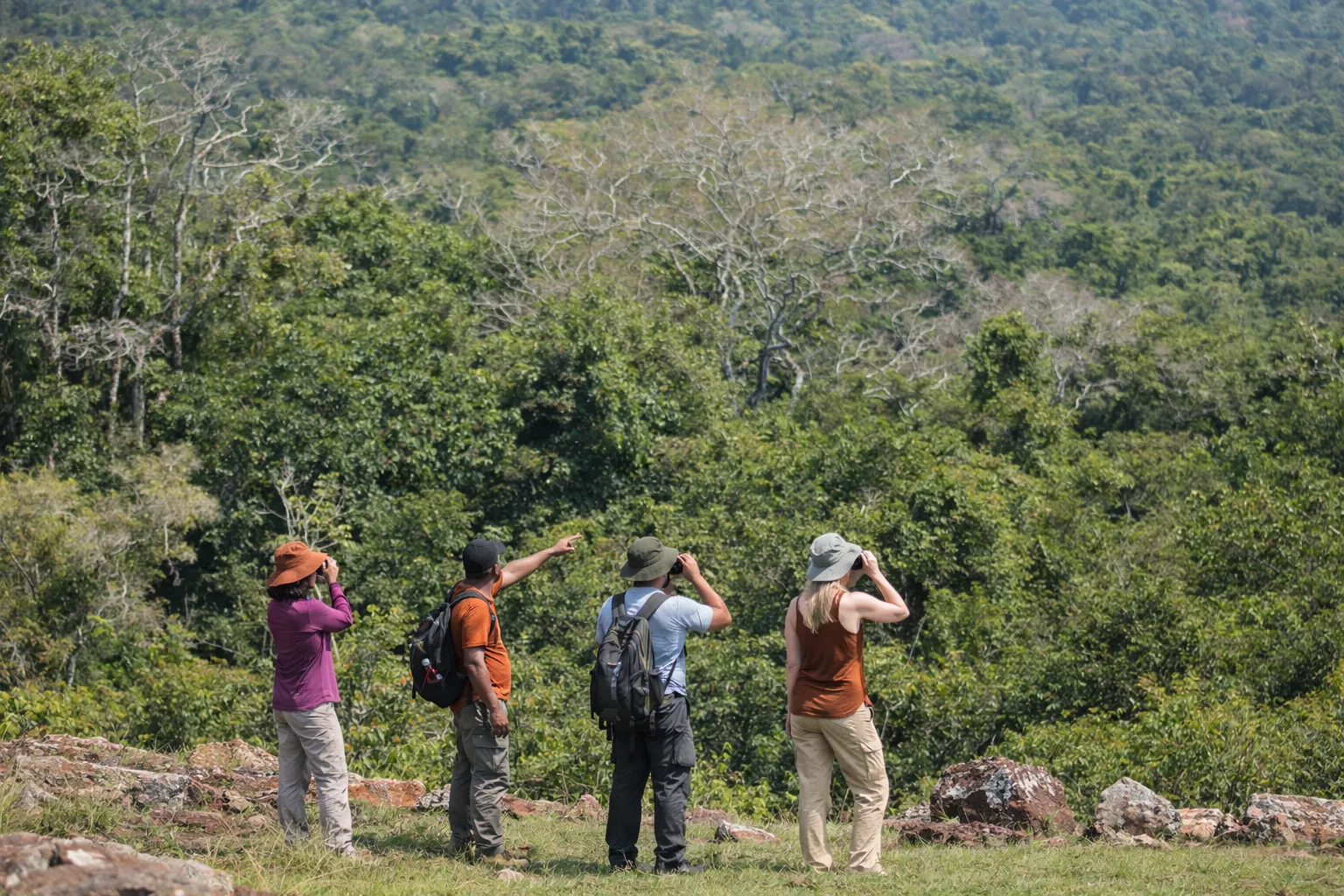
Rubondo Island National Park protects a large forested island and surrounding smaller islets in Lake Victoria, creating one of Tanzania's most unusual conservation landscapes. It is a destination defined by water, thick forest, low visitor numbers, and a feeling of remoteness that is very different from both mainland safari parks and beach islands on the coast. The island is draped in evergreen and semi-deciduous forest, papyrus-fringed in places, and cut by bays and shoreline that make boat movement and lake views part of the daily experience rather than a simple transfer detail.
Rubondo Island National Park is notable for chimpanzee rehabilitation history, rich birdlife, and species such as sitatunga, elephant, and other animals that give the island a highly individual ecological profile. Sightings can be more exploratory than guaranteed, which suits travellers who enjoy discovery rather than a rigid species checklist. Birding, forest walks, boat outings, fishing in designated contexts, and slow immersion in the island environment are central strengths here. The park appeals to people who like wilderness with a slightly expeditionary edge.
Planning time in Rubondo Island National Park
Rubondo Island National Park should be matched to lake conditions, activity priorities, and transfer planning, but the destination is most rewarding for travellers who value atmosphere and habitat as much as headline wildlife encounters. Because access requires coordination and the experience is specialised, Rubondo is best for repeat visitors, photographers, birders, or clients who want something genuinely unusual within Tanzania. It can stand alone as a niche remote escape or complement western and lake-region travel for guests who want to see how diverse the country's protected areas really are.
Furthermore, travellers comparing other unusual Tanzania destinations often choose Rubondo Island National Park inside custom remote Tanzania journeys because it combines island atmosphere, forest ecology, and conservation depth in a way that few African parks can match.