
Explore Destination
Katavi National Park
Tanzania
About This Destination
Katavi National Park: why this destination matters
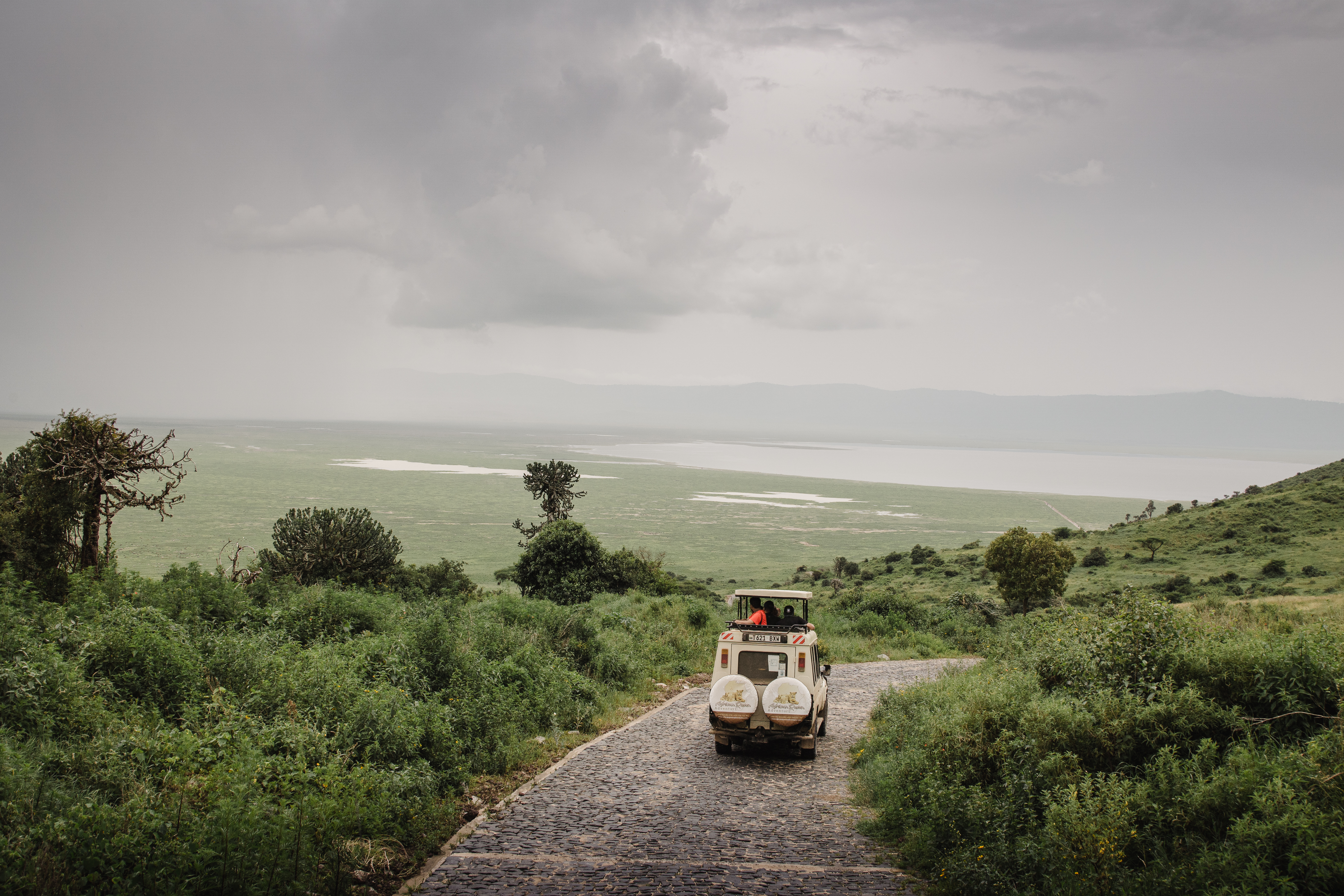
Katavi National Park is one of Tanzania's last truly wild safari arenas, a western park where floodplains, seasonal rivers, tamarind woodland, and shrinking dry-season pools create a powerful sense of elemental wildlife concentration without the traffic associated with more famous parks. The park feels broad, old, and lightly touched. In the wet season the plains can seem expansive and green; in the dry months, water retreats and the landscape hardens into a stage for some of the most intense animal competition in the country.
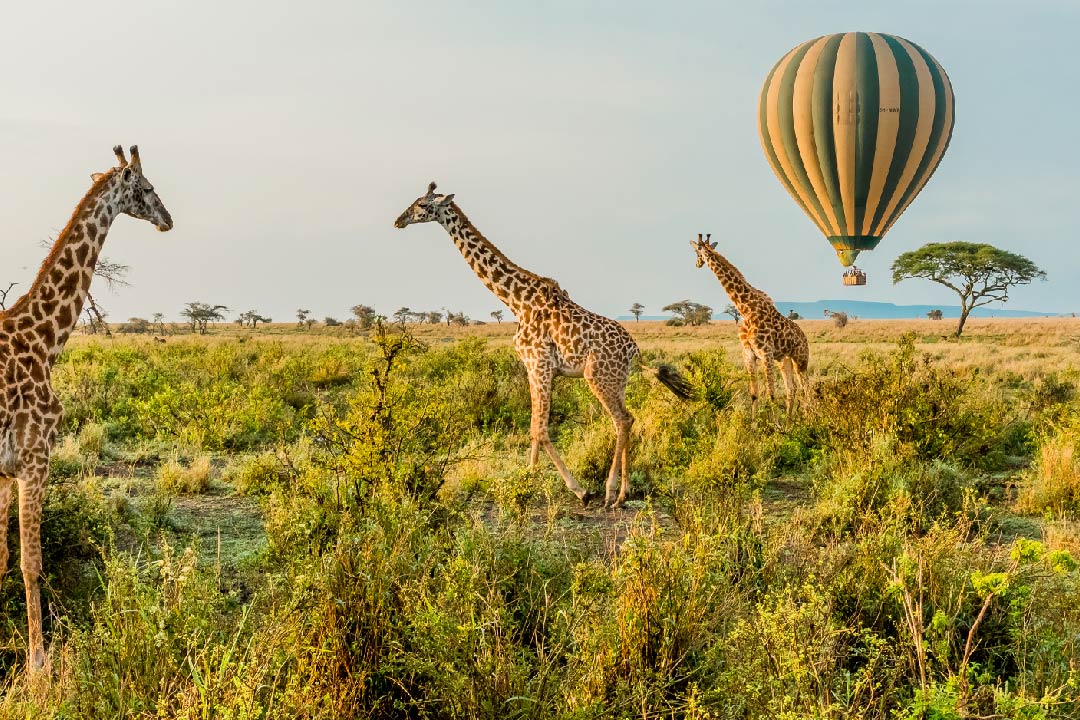
That shift is what gives Katavi National Park its reputation. Hippo crowd into diminishing pools, crocodiles wait along muddy channels, buffalo gather in impressive numbers, and predators work the edges where prey is forced into tighter space. Safaris here are less about ticking every species and more about staying present long enough to see behaviour unfold. Good guiding, patient vehicle work, and a willingness to spend time at water rather than racing onward are what reveal the park at its best.
Planning time in Katavi National Park
Katavi National Park matters enormously. The drier months deliver the most famous wildlife pressure and visibility, while wetter periods offer greener scenery but a less concentrated, more dispersive safari pattern. Because access is usually by scheduled or charter air and camp capacity is limited, the park best suits experienced safari travellers or clients who want exclusivity through remoteness rather than luxury alone. Katavi works particularly well with Mahale for a western Tanzania combination that mixes big-game wilderness with chimp trekking and lake scenery, especially for travellers who want one journey to move from predator-heavy floodplains into forest and shoreline environments without losing the sense of remoteness.
Meanwhile, travellers researching other western Tanzania destinations often choose Katavi National Park inside remote Tanzania safaris because very few places still feel this raw, this spacious, and this dependent on season and patience for their rewards.