

Explore Destination
Udzungwa Mountain National Park
Tanzania
About This Destination
Udzungwa Mountain National Park: why this destination matters
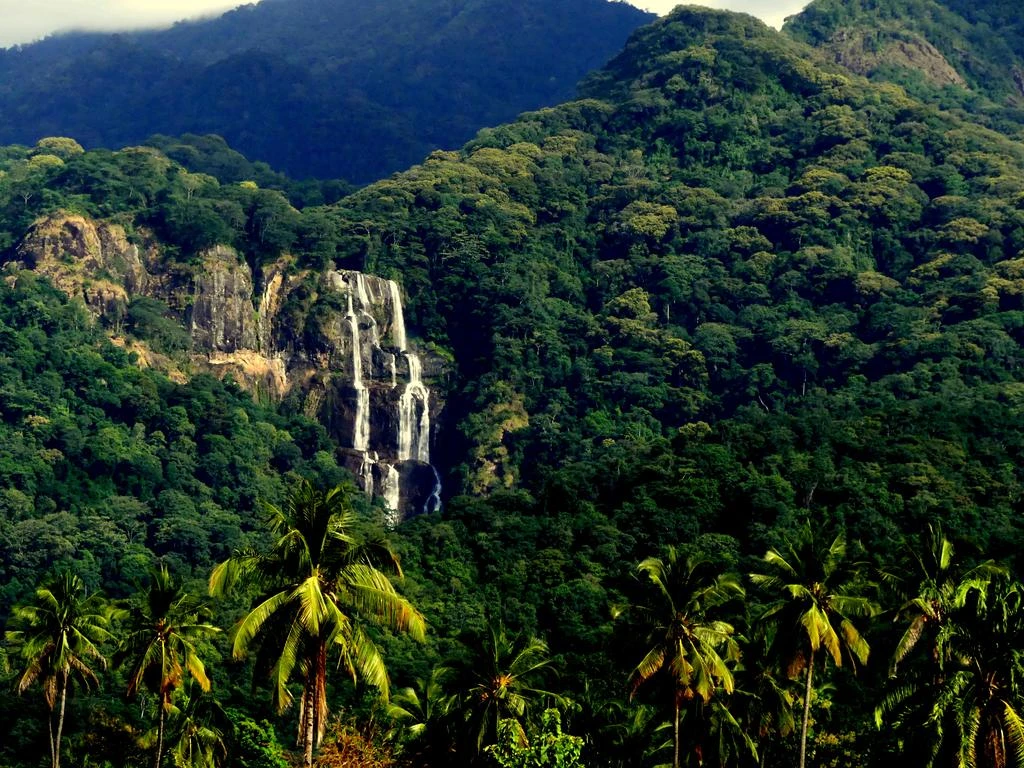
Udzungwa Mountain National Park is Tanzania's leading hiking park for travellers who want rainforest, waterfalls, and rare biodiversity rather than a vehicle-based safari. Part of the Eastern Arc chain, it protects one of East Africa's most important blocks of ancient mountain forest and a high concentration of endemic species. Trails climb through humid forest, across streams, and toward viewpoints and waterfalls, with the Sanje Falls route providing one of the park's best-known day hikes and broad views over the Kilombero Valley below.
Udzungwa Mountain National Park is especially valuable for endemic and near-endemic primates, including species such as the Sanje mangabey and the Iringa red colobus, along with rich birdlife, forest plants, and insect diversity that reward travellers who enjoy natural history in detail. The experience here is active and on foot. Visitors come to hike, listen to the forest, watch primates move through the canopy, and spend time in a landscape where altitude, humidity, and vegetation all shape the pace of travel.
Planning time in Udzungwa Mountain National Park
Udzungwa Mountain National Park should be considered carefully because rain affects trails and visibility, but moisture is also what gives the park its remarkable ecological richness. The right time depends on whether you prioritise easier hiking or peak forest atmosphere. Udzungwa works best for travellers already moving through southern Tanzania, especially those connecting Mikumi, Ruaha, or the southern highlands and wanting a real walking component in the journey. It is particularly strong for repeat visitors who have already done classic safari driving and want a different encounter with Tanzania's protected landscapes.
Moreover, guests exploring other Tanzania destinations often add Udzungwa Mountain National Park to custom southern Tanzania journeys when they want forest hiking, endemic wildlife, and a more active counterpart to the region's savannah parks.