
Understanding Tanzania's Two Main Seasons
Tanzania's climate is broadly divided into two seasons: the dry season (June to October) and the wet season (November to May). The wet season is further split into the short rains (November to December) and the long rains (March to May). Each period offers a distinctly different safari experience, and the "best" time depends entirely on what you want to see and do.
Dry Season (June – October): Peak Safari Time
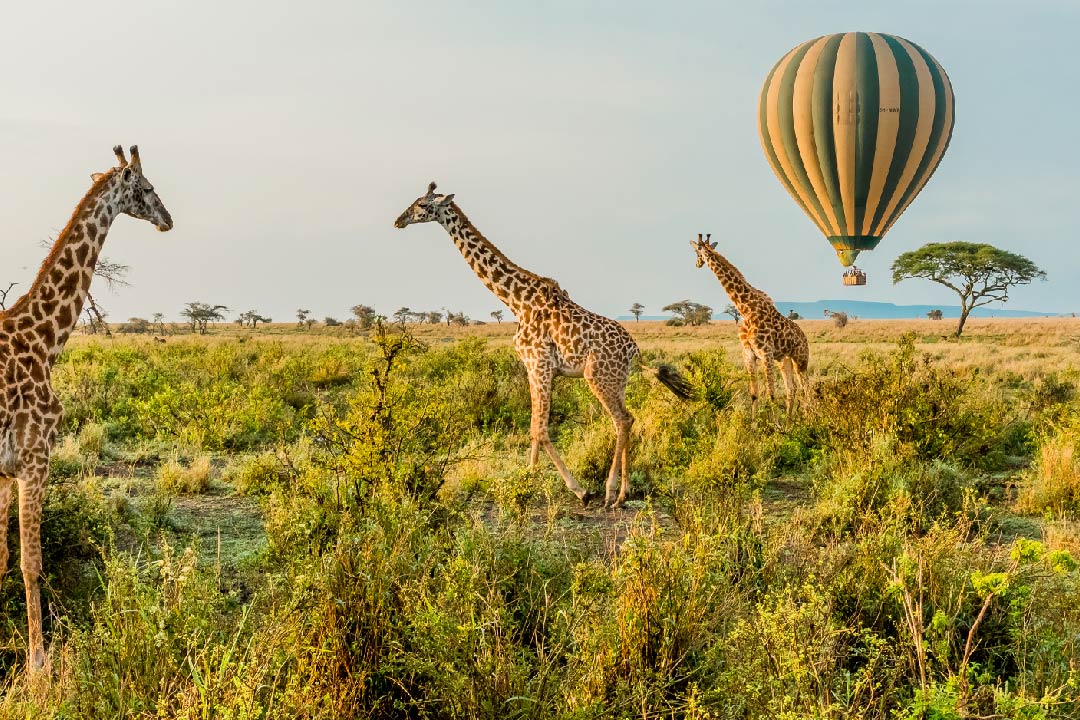
The dry season is the most popular time to visit Tanzania, and for good reason. With minimal rainfall, vegetation thins out and animals congregate around rivers, waterholes, and remaining green areas, making wildlife spotting significantly easier. The Serengeti's northern region comes alive with the Great Migration's dramatic Mara River crossings from July to October.
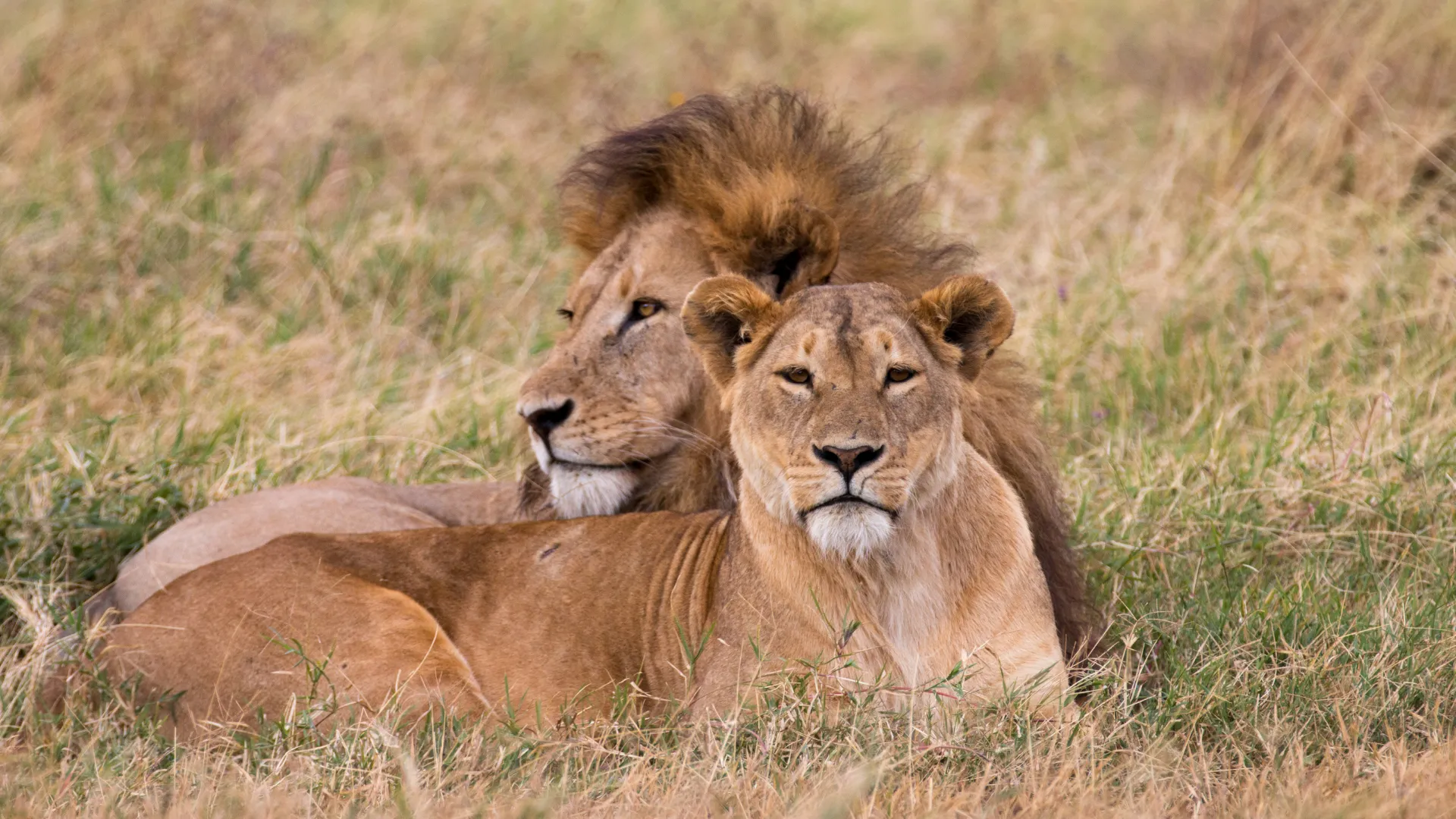
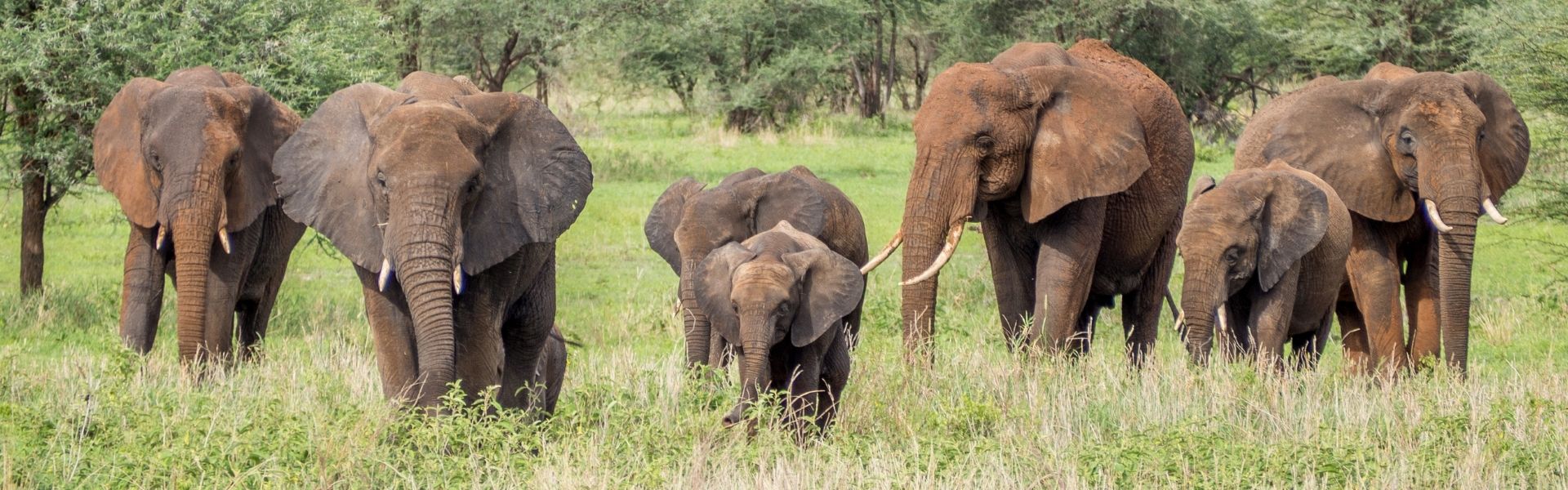
The Ngorongoro Crater is spectacular year-round, but during the dry season the crater floor's limited water sources concentrate incredible densities of wildlife — you can see lion, buffalo, elephant, rhino, and hippo all within a few hours. Tarangire National Park, often called the "elephant capital of Tanzania," is at its best from July to October when thousands of elephants gather along the Tarangire River.
Considerations: This is peak season, so expect higher prices and busier parks. Book lodges and camps at least 6 months in advance, especially for the northern Serengeti.
Short Rains (November – December): The Secret Season
November and December are an excellent shoulder season. Brief afternoon showers refresh the landscape without disrupting game drives. The migration herds move through the eastern Serengeti heading south, and birdlife reaches its peak as migratory species arrive from Europe and Asia. Many operators offer discounted green-season rates while conditions remain very favourable for safari.
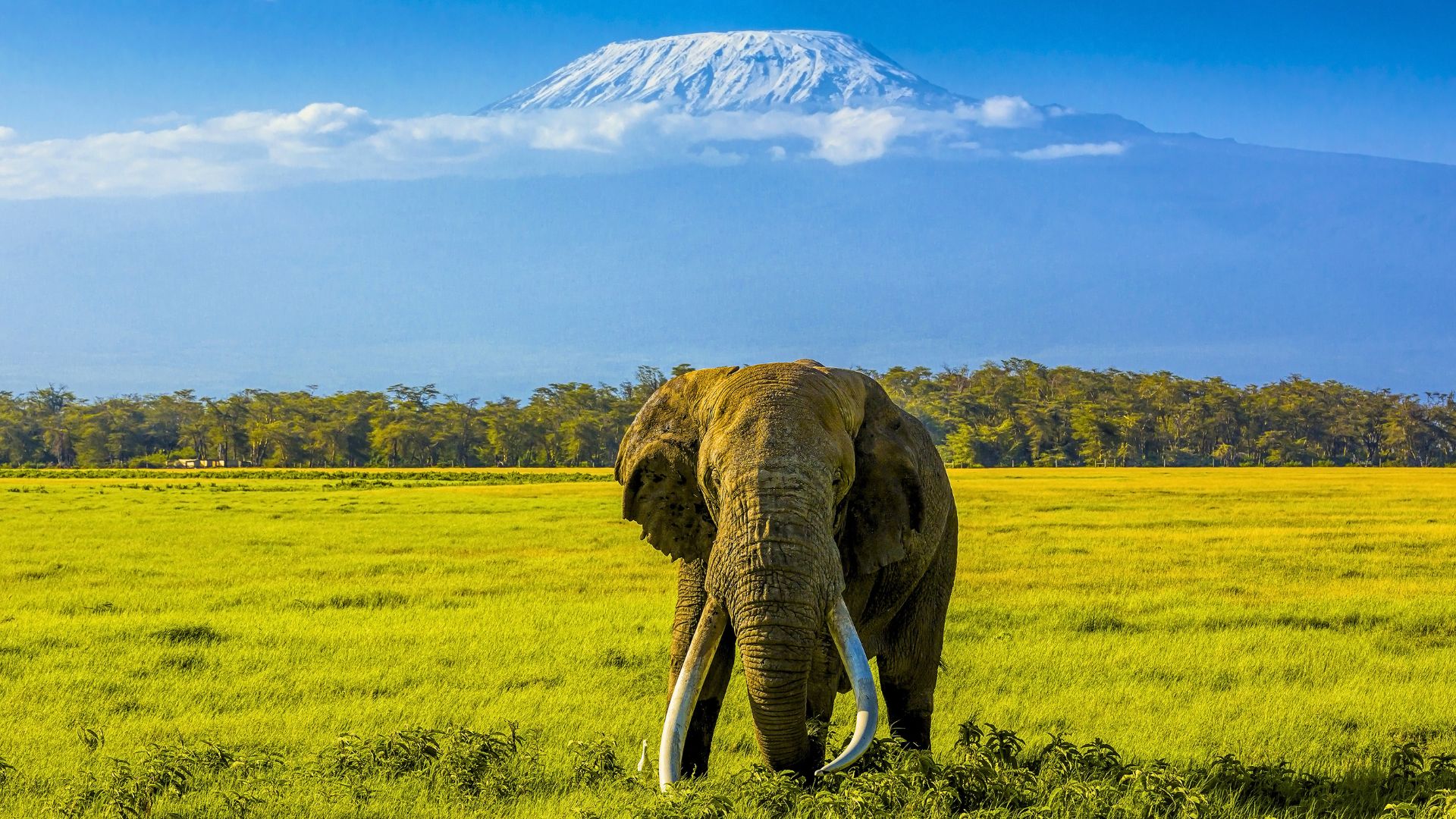
This is also an ideal time for climbing Mount Kilimanjaro — the summit is less crowded and the weather windows between November and mid-December are generally reliable.
Calving Season (January – February): Birth of the Plains
If you are drawn to the raw drama of life on the plains, January and February are unmatched. The southern Serengeti and Ndutu area host the calving season, with up to 8,000 wildebeest calves born daily. Predators are everywhere — big cats, hyena clans, and jackals patrol in high numbers. The flat, open terrain makes for extraordinary photography. The weather is warm and relatively dry between the two rainy periods.
Long Rains (March – May): The Quiet Green Season
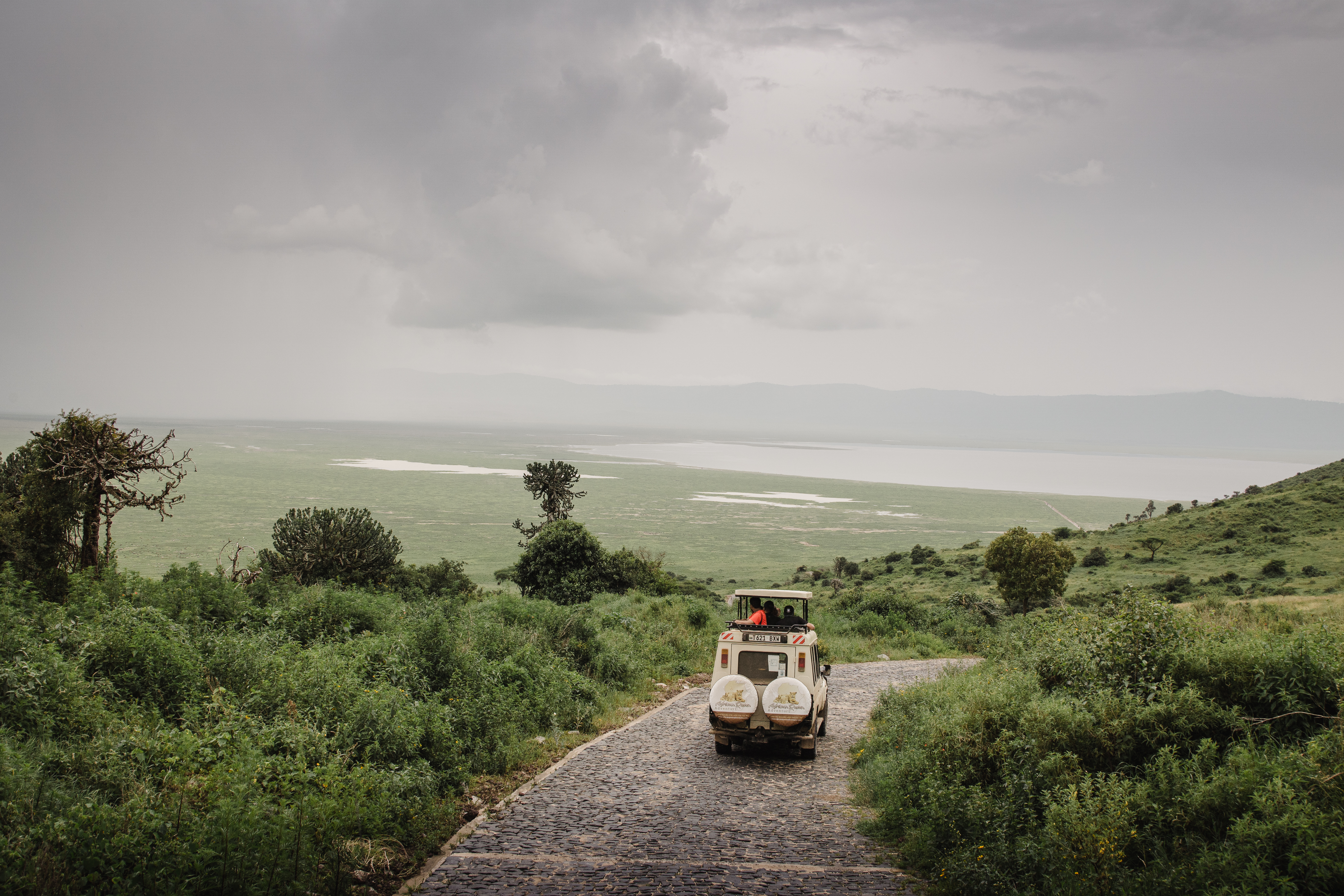
The long rains bring the most rainfall and the fewest tourists. Some remote camps close, but lodges in the Serengeti, Ngorongoro, and northern circuit remain open. The landscape transforms into vivid shades of green under dramatic thunderstorm skies. Game viewing is still rewarding — animals don't disappear; they simply spread out. Prices drop 30–50%, and you may have entire areas to yourself. For photographers, the moody lighting and storm clouds create award-winning compositions.
Best Time for Kilimanjaro
The two best windows for summiting Mount Kilimanjaro are January to mid-March and June to October. These periods offer the driest conditions on the mountain. The Machame and Lemosho routes, which take six to eight days, provide the best acclimatisation profiles and summit success rates above 90%.
Best Time for Zanzibar
Zanzibar's beaches are warmest and driest from June to October and December to February. These windows align perfectly with post-safari beach extensions. The island's underwater visibility for diving and snorkelling peaks between October and March, when whale sharks can sometimes be spotted off the south coast.
Our Recommendation
For first-time visitors seeking the classic safari experience, we recommend July to October. For repeat visitors or travellers seeking value, the November to December shoulder season or January to February calving season offer extraordinary experiences at lower prices with fewer crowds. Whatever your dates, our team will design an itinerary that maximises wildlife encounters and minimises time on the road.