Why Kilimanjaro?
Mount Kilimanjaro stands alone on the East African plains near the town of Moshi in northern Tanzania. It is a UNESCO World Heritage Site and one of the Seven Summits — the highest mountains on each continent. What makes Kilimanjaro unique is that it can be summited without any technical climbing equipment or mountaineering experience. You walk to the roof of Africa. That accessibility, combined with the extraordinary journey through five distinct climate zones — from tropical rainforest to arctic glacier — draws over 50,000 trekkers each year.
The Seven Routes Compared
Machame Route ("Whisky Route") — 6–7 Days
The most popular route for good reason. The Machame Route offers stunning scenery, excellent acclimatisation through its "walk high, sleep low" profile, and a challenging but rewarding Barranco Wall scramble. The summit success rate is around 85–90% on a seven-day itinerary. It approaches from the south and descends via the Mweka Route.
Lemosho Route — 7–8 Days
Widely considered the most scenic route, Lemosho starts from the west through pristine rainforest with high chances of seeing colobus monkeys and exotic birdlife. The extra days allow superior acclimatisation, pushing summit success rates above 90%. It joins the Machame Route at the Lava Tower on day four. For those with the time and budget, this is our top recommendation.
Marangu Route ("Coca-Cola Route") — 5–6 Days
The only route with hut accommodation rather than tents, Marangu is often perceived as the "easiest" route. However, its shorter default itinerary of five days provides less acclimatisation time, and summit success rates are lower (around 65–70%). Adding an extra acclimatisation day at Horombo Hut significantly improves your chances.
Rongai Route — 6–7 Days
Approaching from the north near the Kenyan border, Rongai offers a quieter, drier experience. It is the best choice during the rainy season as the northern slopes receive less precipitation. The landscape is more arid and open, with views toward Kenya. Summit success rates are comparable to Machame.
Northern Circuit — 8–9 Days
The longest route on Kilimanjaro, the Northern Circuit circumnavigates the mountain, passing through virtually untouched wilderness. The extended duration provides the best acclimatisation of any route, with summit success rates exceeding 95%. It is the least crowded route and offers panoramic views from every angle.
Umbwe Route — 5–6 Days
The steepest and most direct route, Umbwe is suited to experienced and very fit trekkers. It ascends rapidly through dense forest and reaches the Southern Icefields. Due to the fast altitude gain, summit success rates are lower unless an extra acclimatisation day is added.
Shira Route — 7–8 Days
Starting at a high elevation on the Shira Plateau (3,600 m), this route offers unique plateau landscapes but begins with less acclimatisation support. It merges with Lemosho after day two.
What Does It Cost?
A Kilimanjaro trek typically costs between $2,000 and $5,500 per person depending on the route, duration, operator, and group size. This includes park fees (which alone are approximately $1,000–$1,200 for a seven-day trek), guides, porters, meals, camping equipment, and airport transfers. Choosing a reputable operator who pays porters fairly, provides proper safety equipment, and employs certified guides is essential — this is not an experience to book on price alone.
Essential Packing List
Clothing layers: Moisture-wicking base layer, insulating fleece mid-layer, waterproof outer shell, down jacket for summit night (temperatures can drop to -20°C). Footwear: Broken-in waterproof hiking boots, gaiters, camp sandals. Accessories: Warm beanie, sun hat, UV-protection sunglasses, headlamp with spare batteries, trekking poles. Health: Diamox (acetazolamide) for altitude sickness prevention (consult your doctor), water purification tablets, high-SPF sunscreen, lip balm with SPF. Other: 30–40 litre daypack, 3-litre hydration system, energy snacks, camera with spare batteries (cold drains batteries fast).
Summit Night: What to Expect
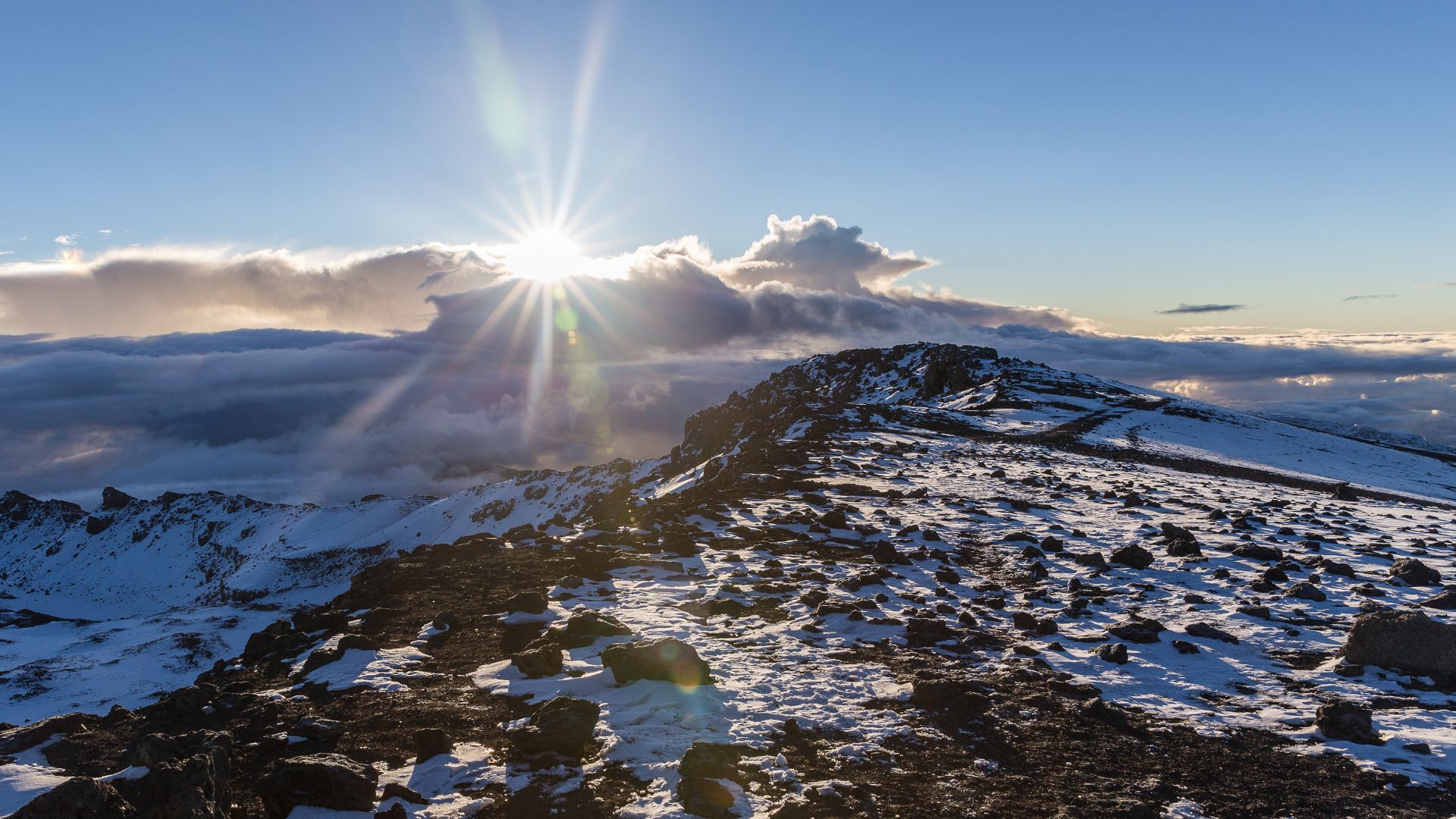
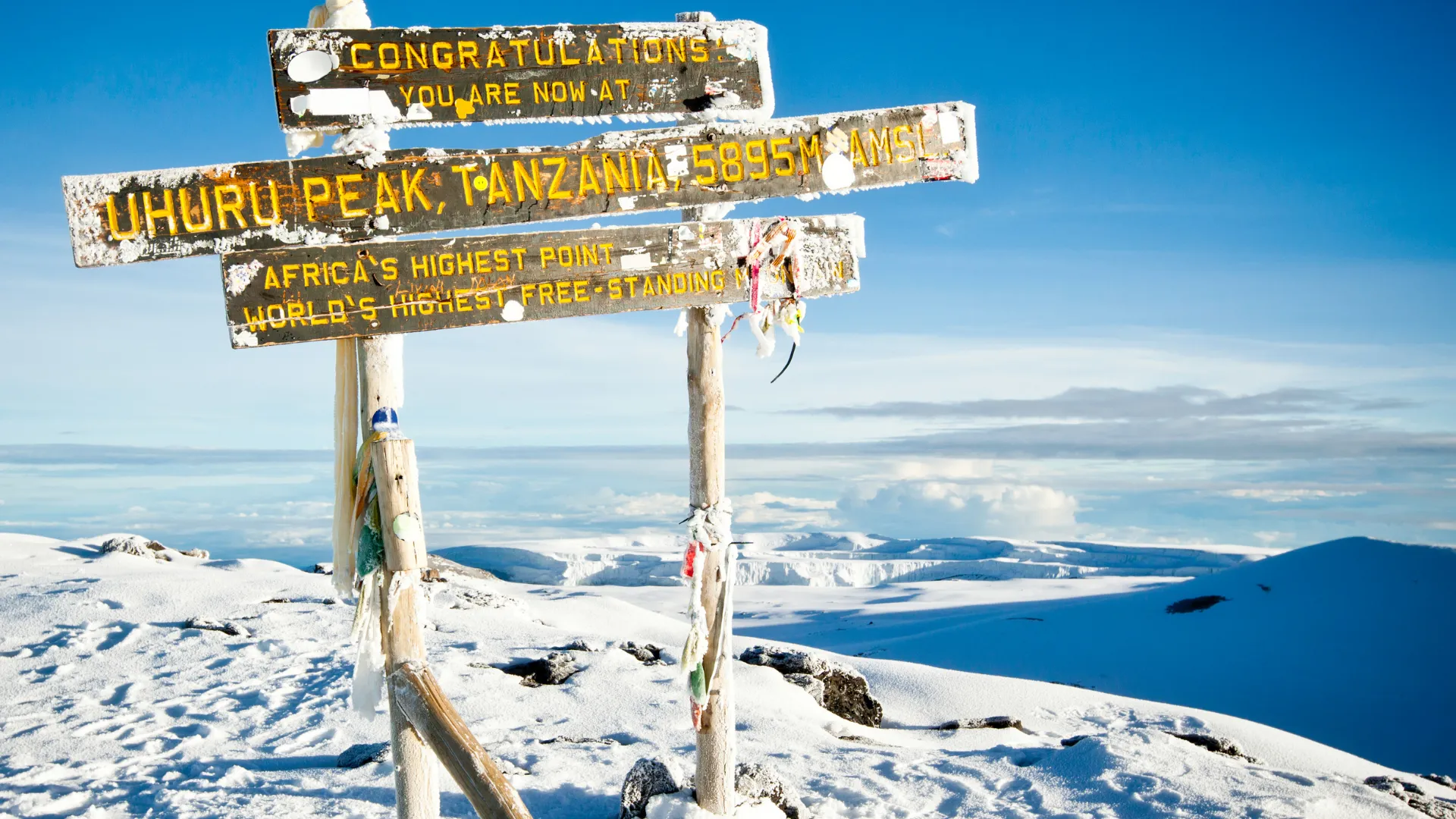
You will depart from high camp (either Barafu or Kibo Hut) around midnight, climbing through darkness by headlamp. The final push to Uhuru Peak takes five to seven hours on steep scree and switch-backs. The temperature can be as low as -20°C with wind chill. Fatigue, nausea, and breathlessness are normal at this altitude. When you reach the summit sign at 5,895 metres and see the sunrise painting the glaciers gold, every difficult step was worth it. After summit photos, you descend the same day to lower camp.
Combining Kilimanjaro with Safari
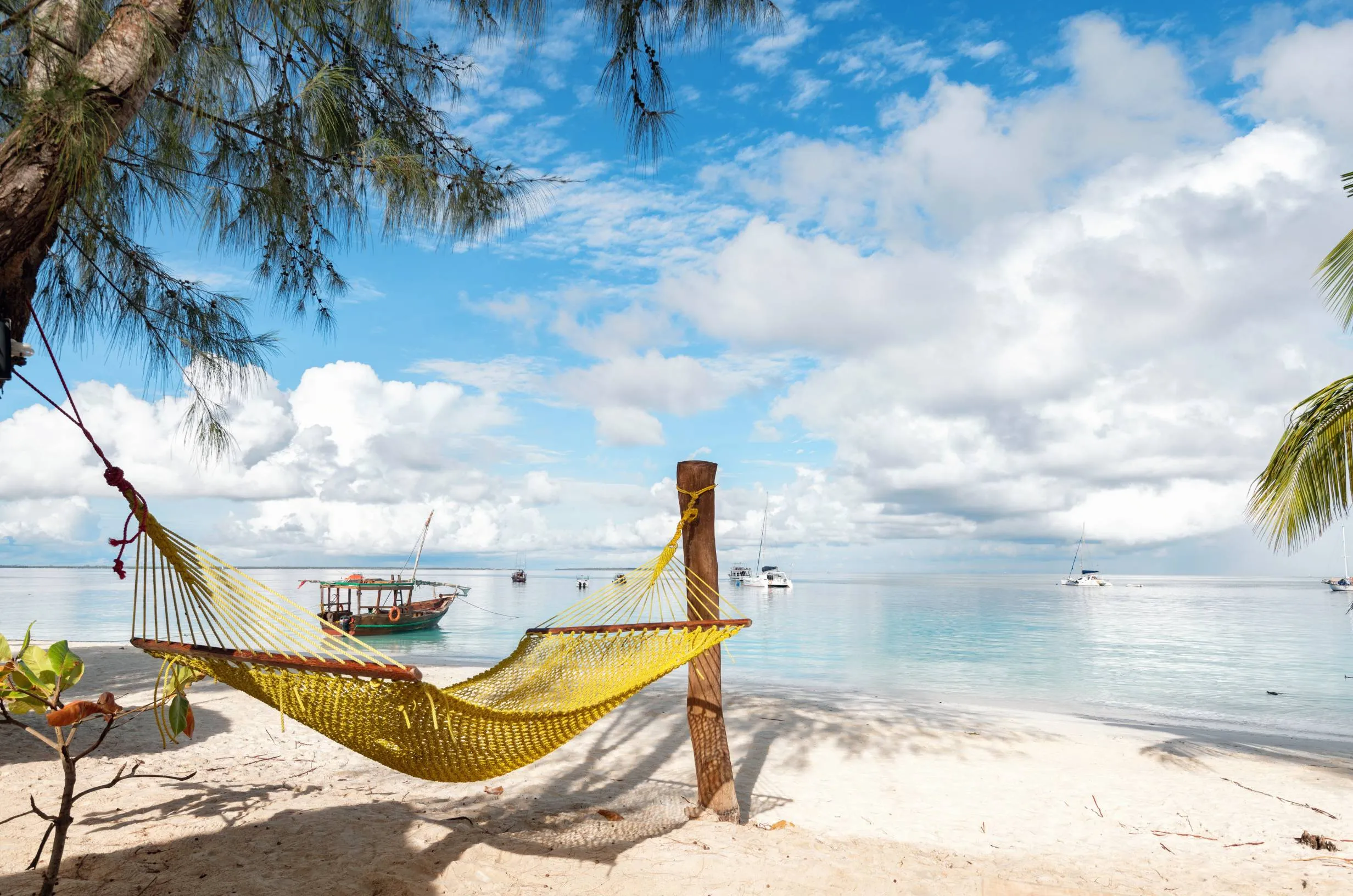
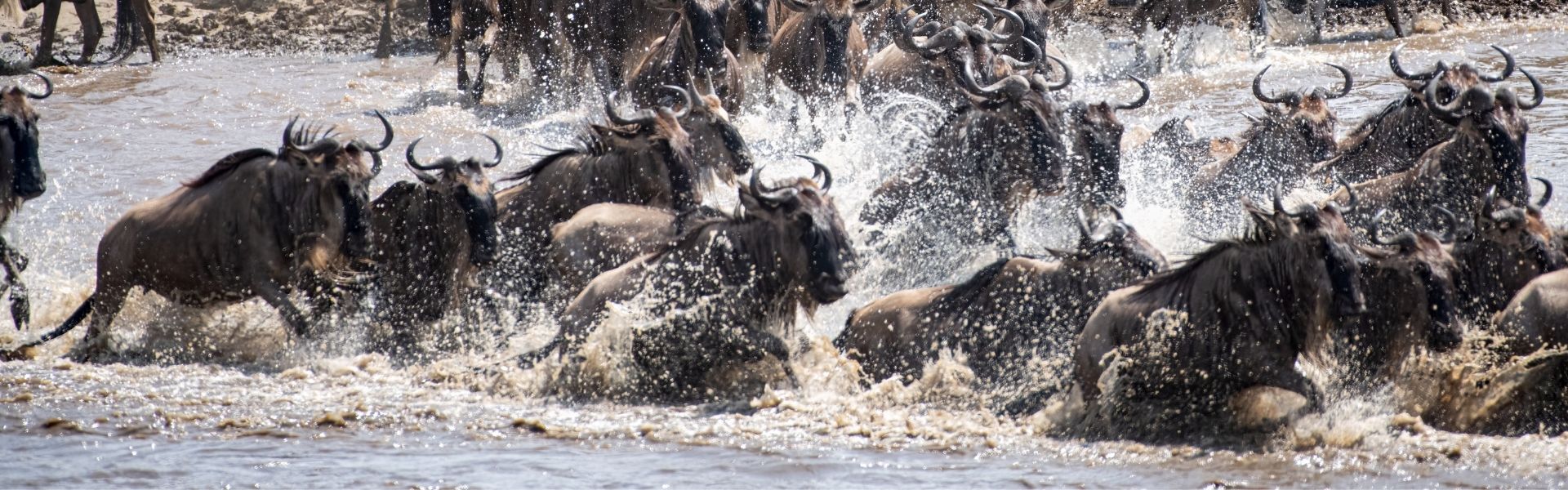
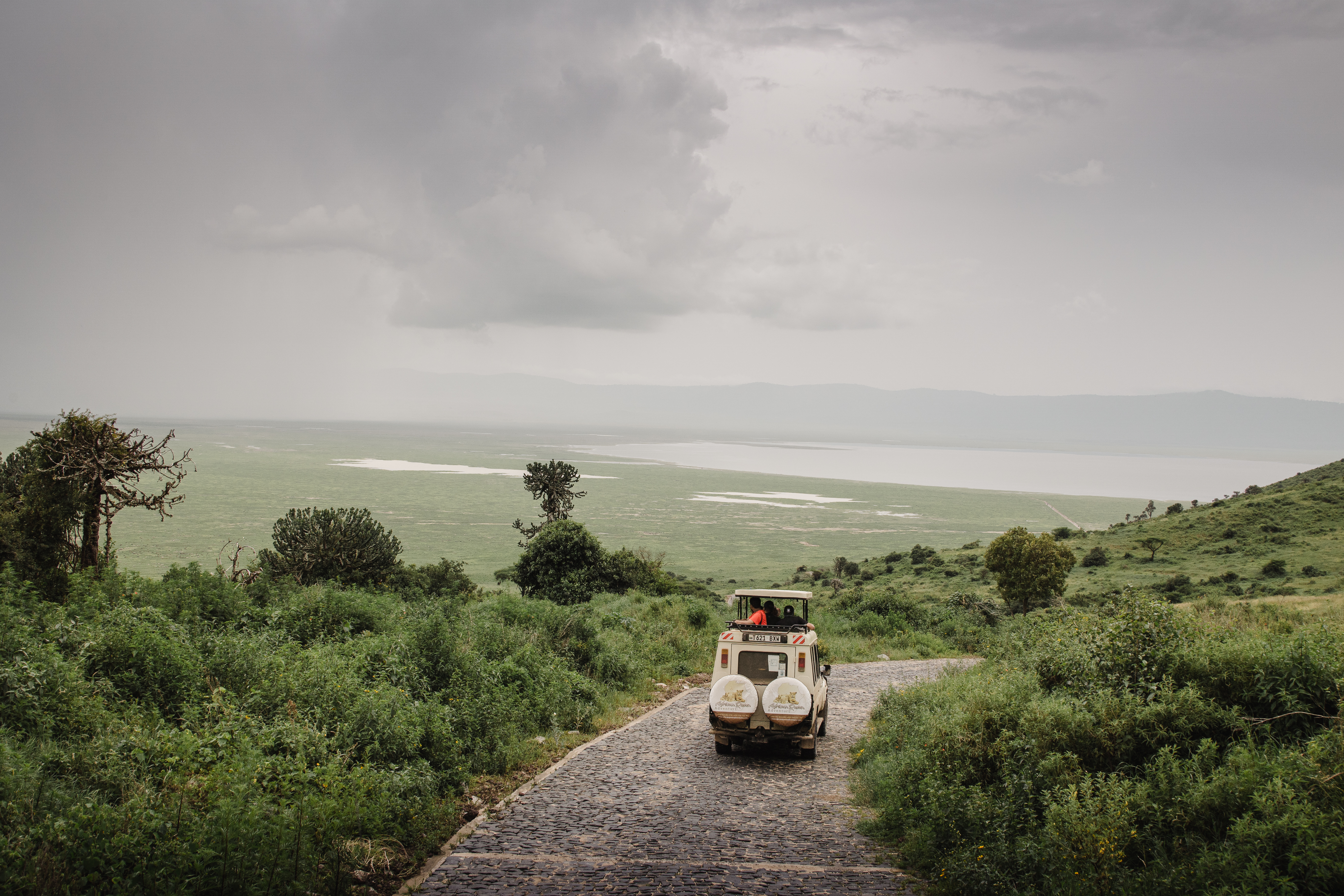
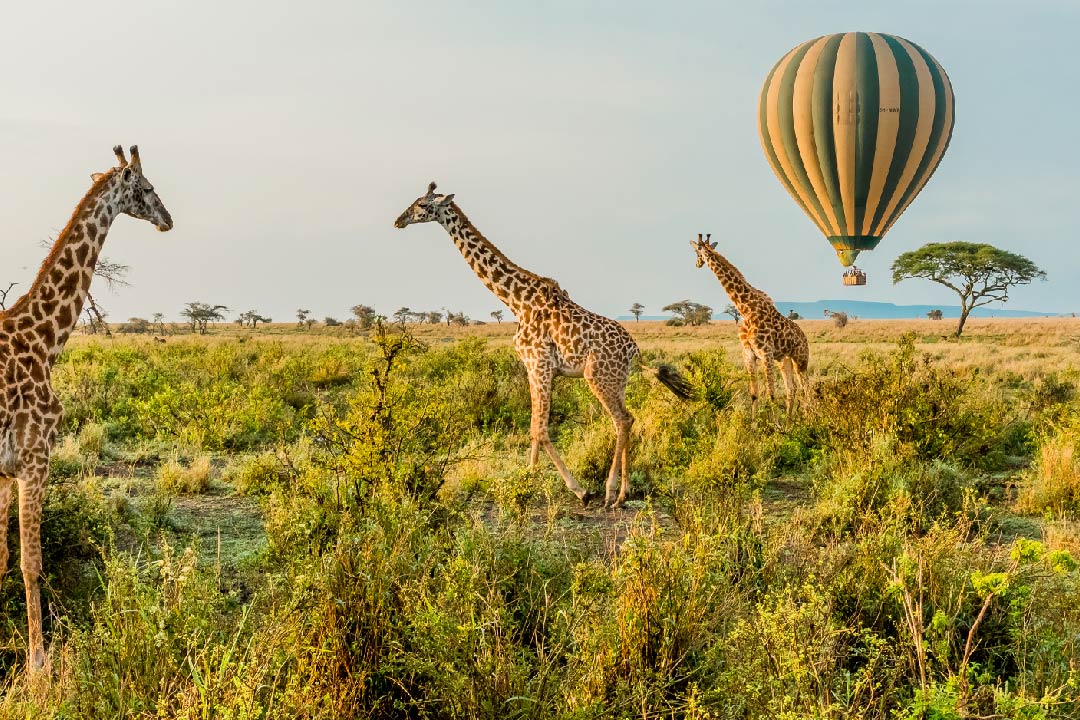
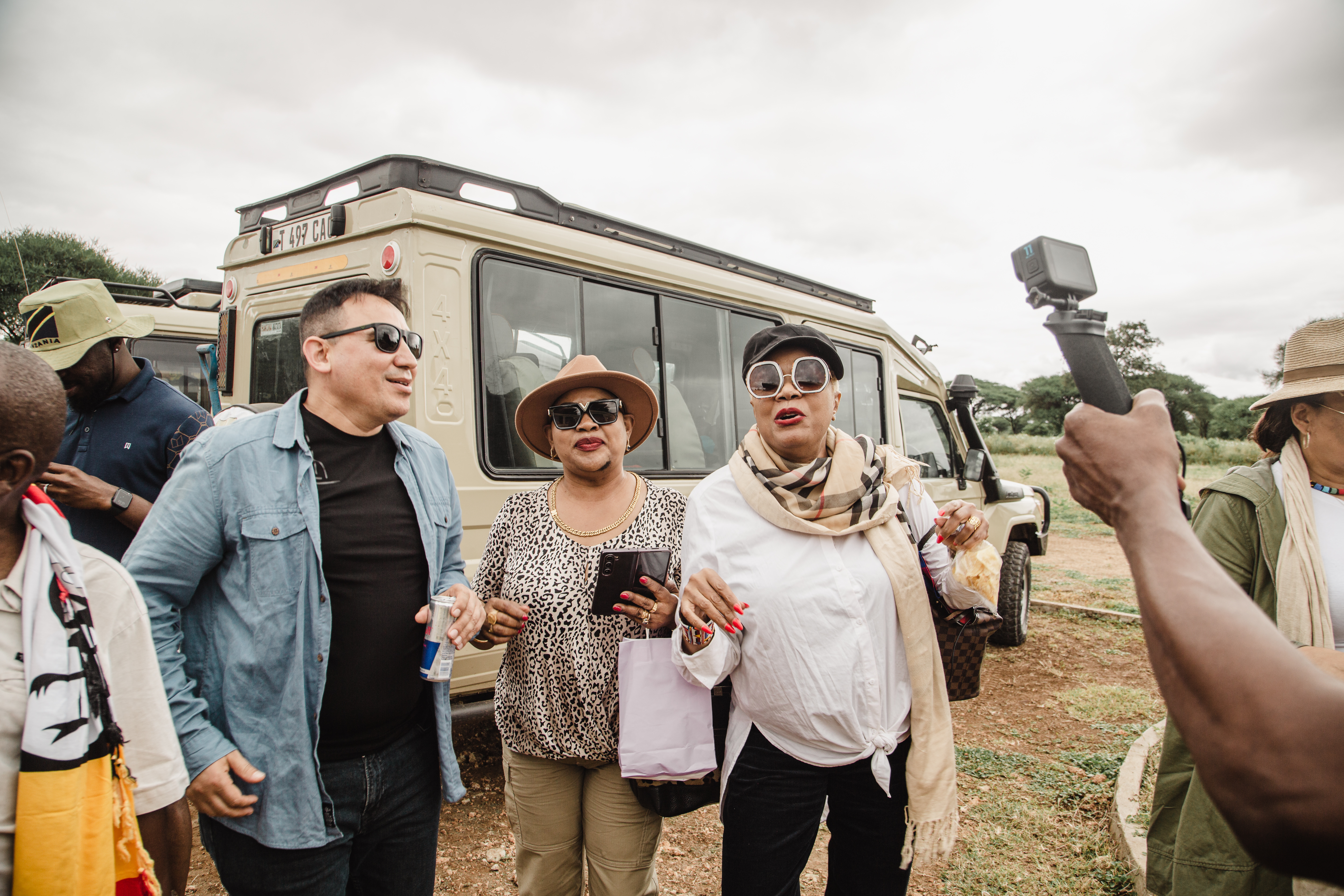
Many of our clients combine a Kilimanjaro trek with a three-to-five-day safari through the northern circuit parks and finish with a beach stay on Zanzibar. This combination — mountain, wildlife, and ocean — is the ultimate Tanzania experience. We recommend at least one rest day between the trek and safari.