What Is the Great Migration?
The Great Wildebeest Migration is widely regarded as one of the most awe-inspiring natural events on Earth. Every year, approximately 1.5 million wildebeest — accompanied by around 400,000 zebra, 200,000 Thomson's gazelle, and thousands of eland — travel a circular route through the Serengeti National Park in Tanzania and the Masai Mara National Reserve in Kenya. This continuous movement is driven by the search for fresh grazing and water, and it has no real beginning or end.
Month-by-Month Migration Calendar
January – March: Calving Season in the Southern Serengeti
The herds gather on the short-grass plains of the southern Serengeti and the Ndutu area, near the Ngorongoro Conservation Area. This is calving season: an estimated 8,000 wildebeest calves are born every day over a two-to-three-week peak in February. The abundance of newborns attracts predators — lion, cheetah, hyena, and wild dog — making this one of the best times for predator-prey action photography and game viewing.
April – May: The Long Rains and the Move West
As the long rains arrive, the southern plains become waterlogged and the grass grows tall. The herds begin moving northwest through the central Serengeti's Seronera Valley. Game drives during this period are quieter with fewer tourists, yet the landscape is lush and green, and birdlife is extraordinary. Many lodges offer green-season discounts, making this an excellent value period for budget-conscious travellers.
June – July: The Western Corridor and Grumeti River Crossings
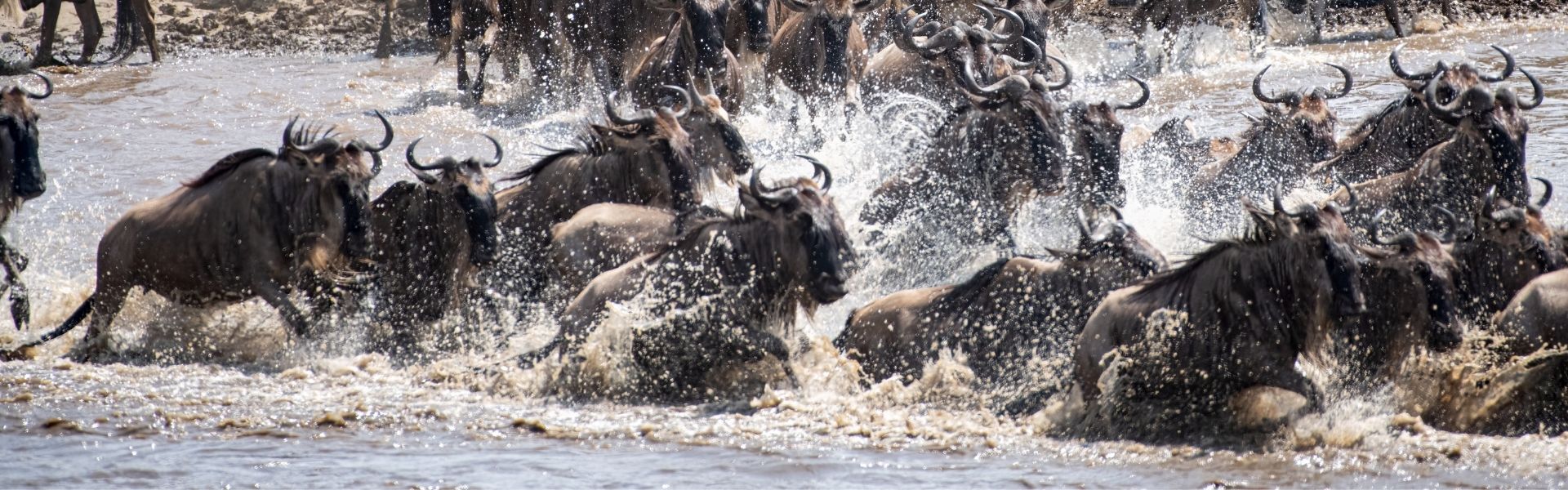
By June, the massive columns of wildebeest stretch across the Western Corridor toward the Grumeti River. The Grumeti crossings are intense but less crowded than the famous Mara River crossings later in the year. Enormous Nile crocodiles, some over five metres long, lie in wait. The drama of thousands of wildebeest plunging into the water while predators attack from all sides is unforgettable.
August – October: The Iconic Mara River Crossings
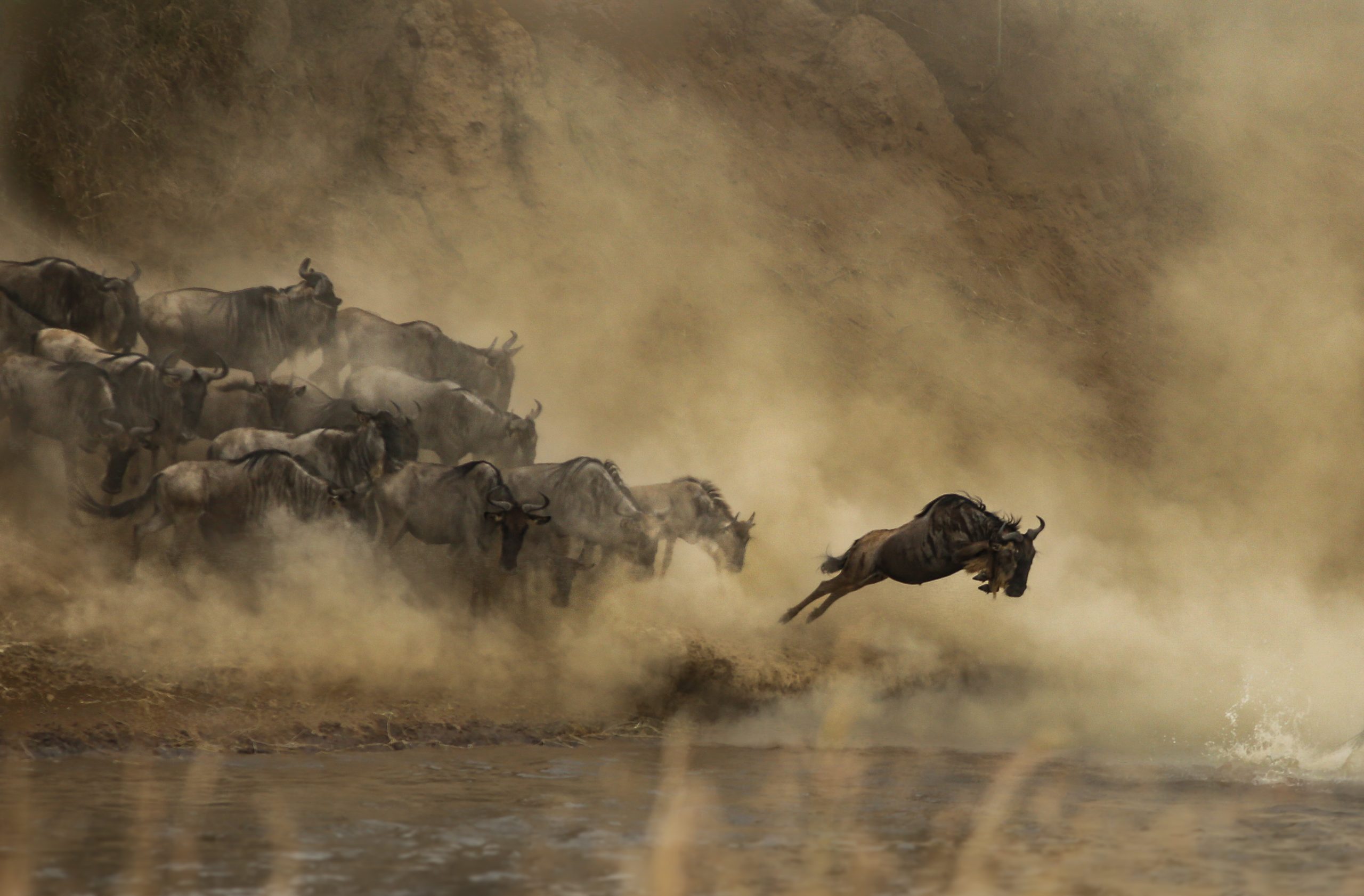
This is the peak season and the most sought-after period. The herds arrive at the Mara River in the northern Serengeti, and the crossings here are the defining image of the migration. Wildebeest pile into the river in their thousands, scrambling over rocks and facing hungry crocodiles. Not every crossing happens every day — patience is required — but when it happens the spectacle is unrivalled. Accommodation in the northern Serengeti books out 6 to 12 months in advance, so early planning is essential.
November – December: Return South
After the short rains begin in November, the herds turn south again, crossing back through the eastern Serengeti toward the calving grounds. The plains are refreshed and green, the light is spectacular for photography, and crowds thin dramatically. It is a superb time for those who prefer exclusivity and dramatic skies.
Where to Stay During the Migration
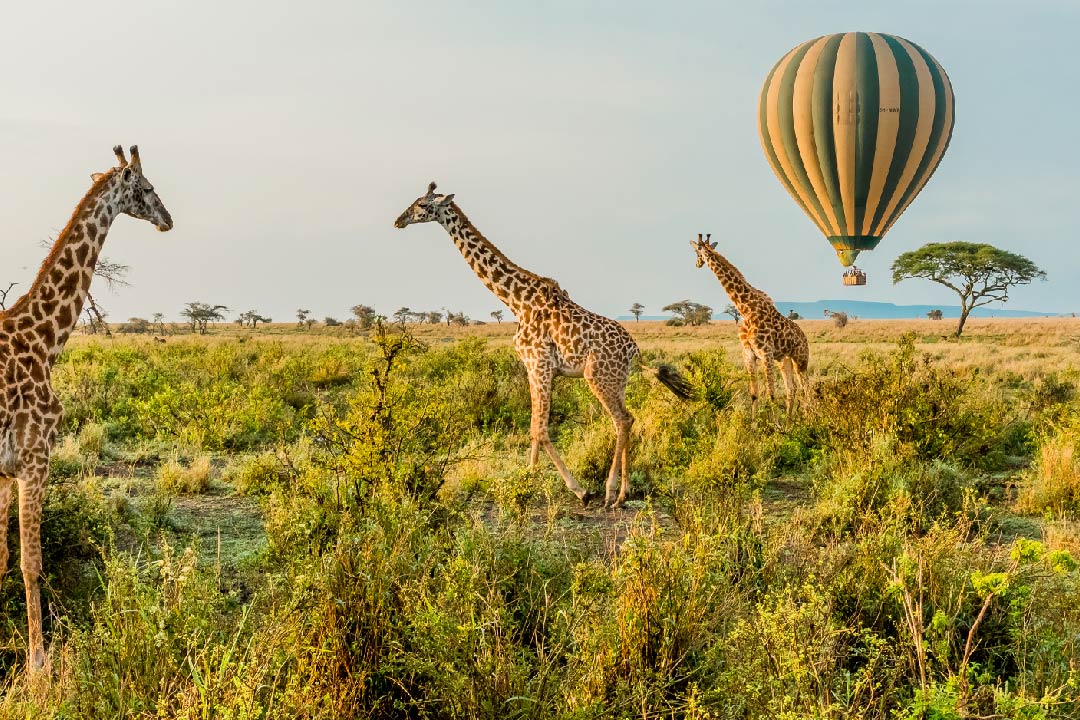
Choosing the right camp or lodge depends entirely on the time of year. Mobile tented camps that follow the herds offer the most immersive experience — you wake up surrounded by the migration itself. Fixed lodges like Sayari Camp in the north, Serengeti Migration Camp in the Western Corridor, and Ndutu Safari Lodge in the south each serve specific migration windows. Hot-air balloon safaris over the herds depart from several camps and offer an extraordinary aerial perspective.
How to Photograph the Migration
Bring a telephoto lens of at least 200–400mm for river crossings and predator-prey moments. A wide-angle lens captures the scale of the herds stretching to the horizon. Shoot in burst mode during crossings — the action happens fast. Golden hour (early morning and late afternoon) offers the best light. Dust kicked up by thousands of hooves creates atmospheric backlit shots that define African wildlife photography.
Conservation and the Future
The Serengeti-Mara ecosystem faces challenges including poaching, proposed road developments, and increasing human-wildlife conflict on the borders. Responsible tourism plays a vital role: visitor fees directly fund anti-poaching patrols, community programmes, and habitat preservation. By choosing ethical safari operators who invest in local communities, travellers help ensure this migration continues for generations.
Planning Your Migration Safari
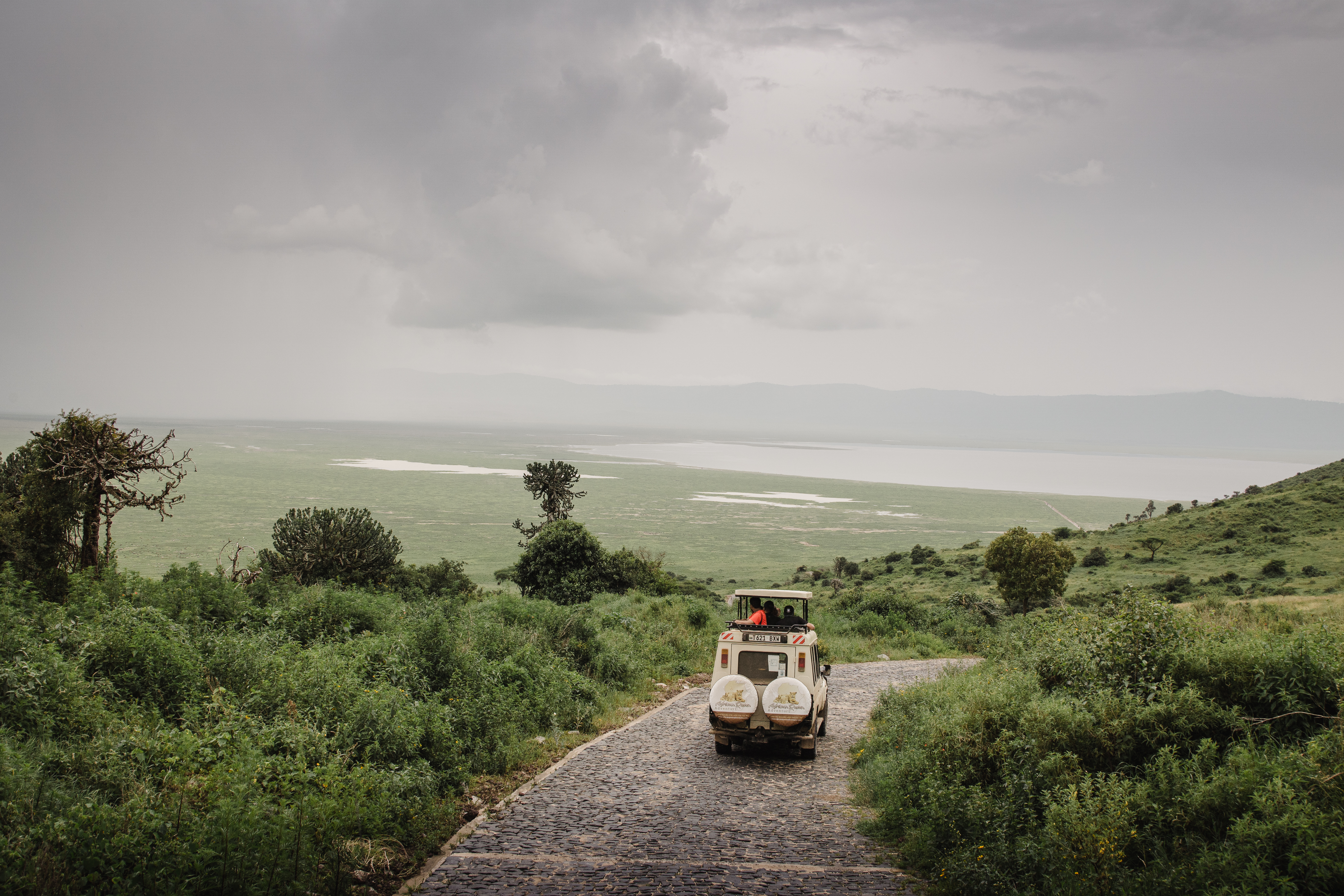
We recommend a minimum of four nights in the Serengeti to maximise your chances of witnessing a river crossing. Combining the Serengeti with the Ngorongoro Crater (one of the best places in Africa to see the Big Five in a single day) creates a world-class itinerary. Fly-in safaris from Arusha save travel time and offer stunning aerial views. Contact our team to build a migration safari tailored to your preferred dates and budget.